Gustav Klimt

As an art instructor, I have developed a deep admiration for the works of Gustav Klimt and his artistic process. Through extensive research, I have immersed myself in his techniques, procedures, and even his personal background. It brings me great joy to share this wealth of knowledge with my students, as they too have expressed a keen interest in learning about Klimt’s artistry.
In my classes, I focus on teaching the intricate techniques employed by Klimt, including the meticulous application of gold leaf and other materials. I provide comprehensive instruction on the step-by-step process he followed, allowing my students to gain a deeper understanding of his artistic style. By delving into Klimt’s life and influences, I aim to create a more holistic learning experience, helping my students appreciate the historical context in which his art flourished.
I am genuinely excited to share my knowledge and expertise with you and hope that you will find it valuable and enjoyable. Together, we can embark on an artistic journey that explores the beauty and intricacies of Gustav Klimt’s masterpieces.
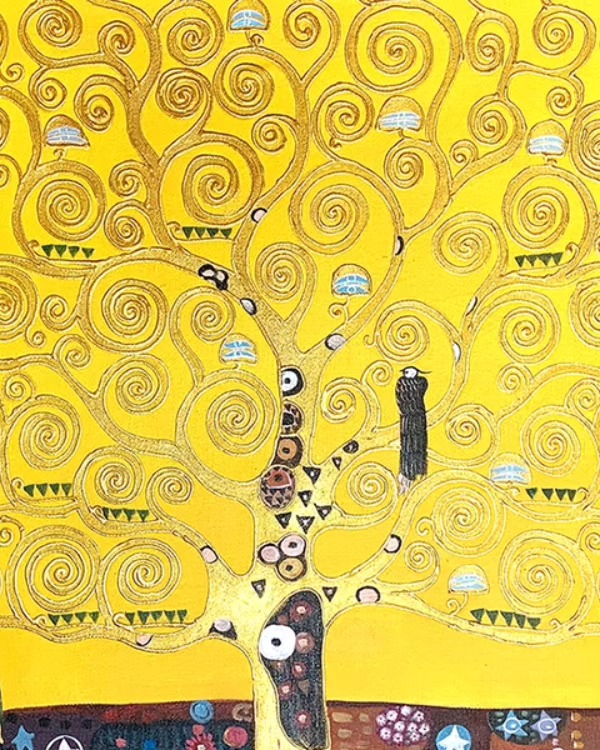
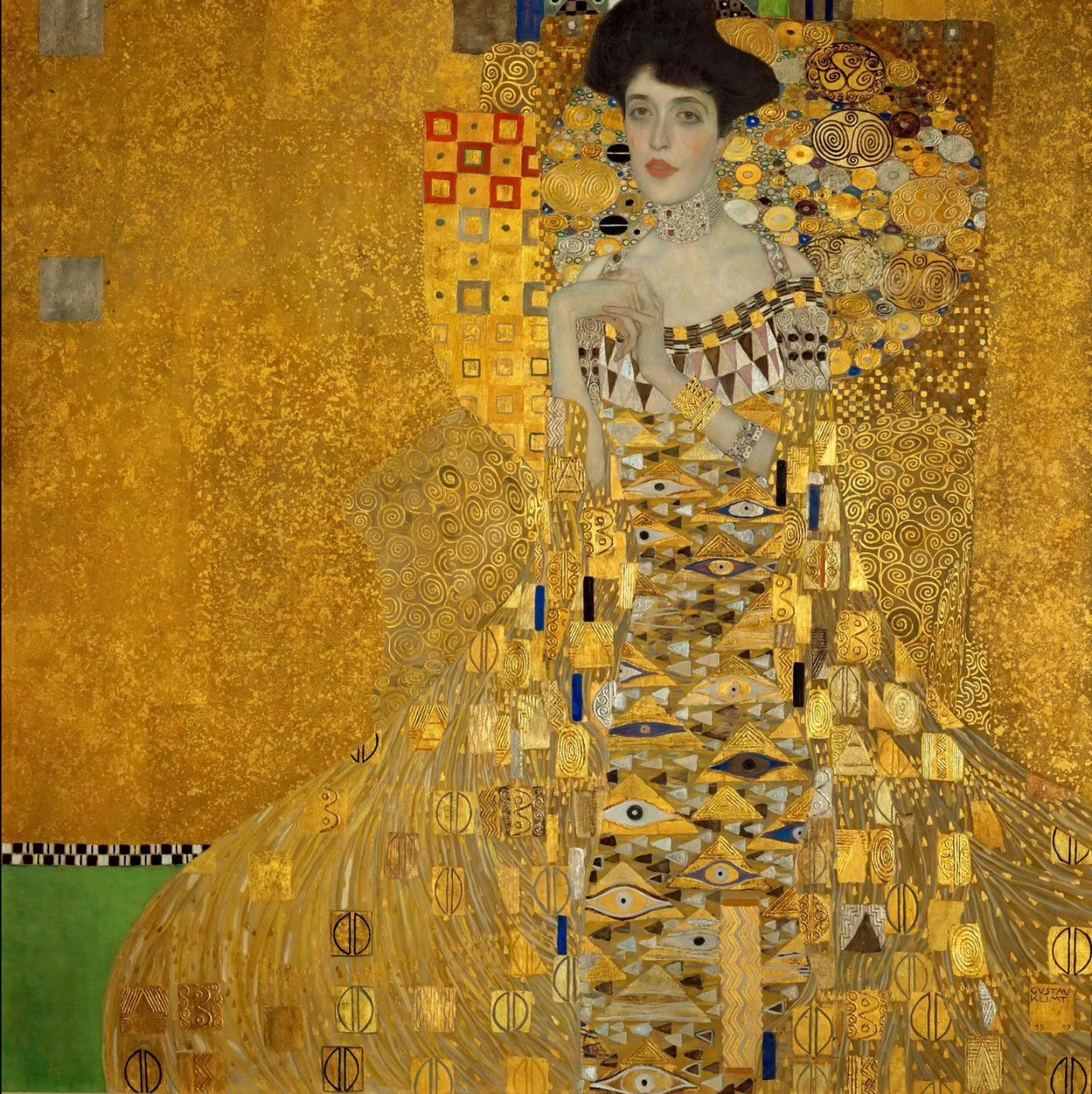
Gustav Klimt was an Austrian symbolist painter who lived from 1862 to 1918. He was a prominent figure in the Vienna Secession movement, which was a response to the conservative art establishment of the time. Klimt’s art is characterized by its decorative and ornamental style, often featuring intricate patterns and motifs.
One of the distinctive features of Klimt’s technique was his use of gold leaf. He incorporated gold into many of his works, which added a sense of opulence and spirituality. This technique was inspired by Byzantine mosaics and Japanese screens, and it became one of the defining elements of his style.
Klimt typically started his paintings by creating detailed drawings. He would use preparatory sketches and studies to plan out the composition and figure placement. To transfer his drawings onto the canvas, he would use various methods such as pouncing or tracing. These techniques allowed him to accurately transfer the lines and shapes from his drawings onto the canvas.
Academic Analysis:
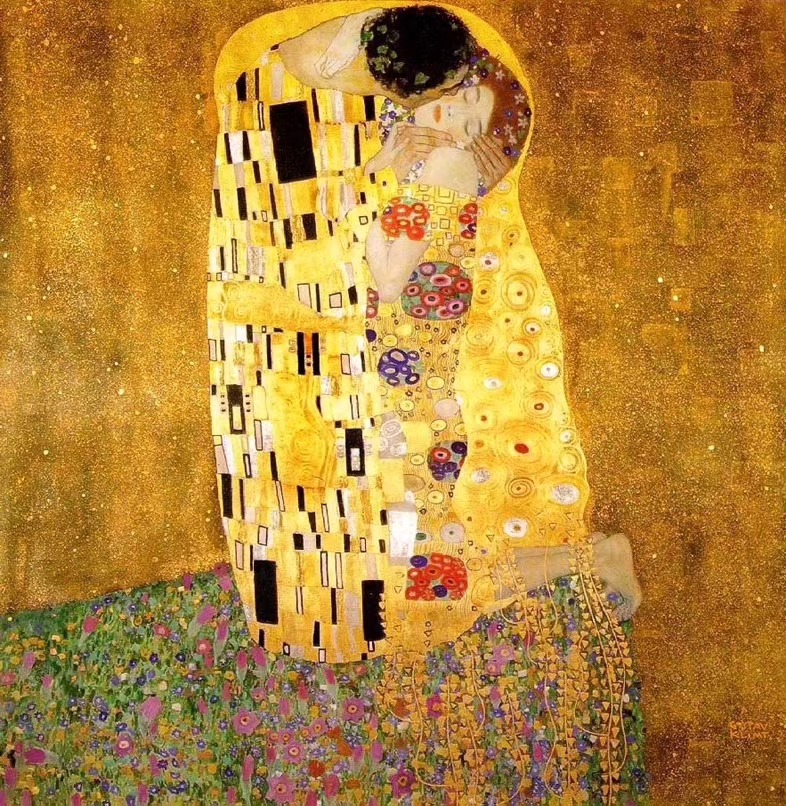
I have received messages from art enthusiasts seeking an explanation of Gustav Klimt’s famous painting, “The Kiss.” I conducted research on this topic years ago, and I believe the findings can be useful to you. The research explores the painting’s historical context, themes, and critical reception. I hope that sharing this information with you will be beneficial and provide the desired understanding of Gustav Klimt’s masterpiece, “The Kiss.”
As an Art Lecturer of Fine Art University, I would like to delve into the renowned painting by Gustav Klimt titled “The Kiss” and provide an academic analysis of its underlying story and artistic significance. “The Kiss” is undoubtedly one of Klimt’s most celebrated works, captivating viewers with its distinctive style and rich symbolism.
Created between 1907 and 1908, “The Kiss” depicts a couple embracing passionately, their bodies intertwined in an intimate and sensuous pose. The composition is characterized by Klimt’s signature decorative style, featuring intricate patterns and ornamental details inspired by Byzantine mosaics and Art Nouveau aesthetics. The figures are enveloped in a radiant golden background, evoking a sense of transcendence and ethereal beauty.
Upon closer examination, “The Kiss” reveals a complex narrative that extends beyond the realm of mere physical affection. The painting symbolizes the profound and transformative power of love, exploring themes of desire, intimacy, and spiritual connection. The male figure, portrayed as a dominant and powerful presence, exudes a sense of protection and strength. Meanwhile, the female figure embodies grace and vulnerability, merging seamlessly with her partner in a harmonious embrace.
The golden background, a recurring motif in Klimt’s works, suggests a realm beyond the earthly plane. It represents a spiritual dimension where the lovers’ passion and devotion transcend physical boundaries, creating a timeless and universal expression of love. The meticulous attention to detail, with intricate patterns adorning the figures’ garments, emphasizes the symbolic richness and opulence of their union.
In addition to its thematic depth, “The Kiss” also demonstrates Klimt’s innovative approach to form and technique. The artist masterfully combines elements of symbolism and abstraction, blending realistic depiction with stylized motifs. This fusion of different artistic approaches reflects the broader artistic movement of the time, which aimed to break away from traditional conventions and explore new forms of expression.
“The Kiss” has captivated audiences for over a century, resonating with viewers on both emotional and intellectual levels. Its universal themes and timeless beauty continue to inspire and provoke contemplation. By examining this painting, we are invited to reflect on the complexities of human connection, the transformative power of love, and the interplay between physical and spiritual realms.
In conclusion, Gustav Klimt’s “The Kiss” stands as a testament to the artist’s mastery and visionary approach to painting. Through its intricate symbolism, exquisite technique, and profound exploration of love, the artwork serves as an enduring source of inspiration for art enthusiasts and scholars alike.