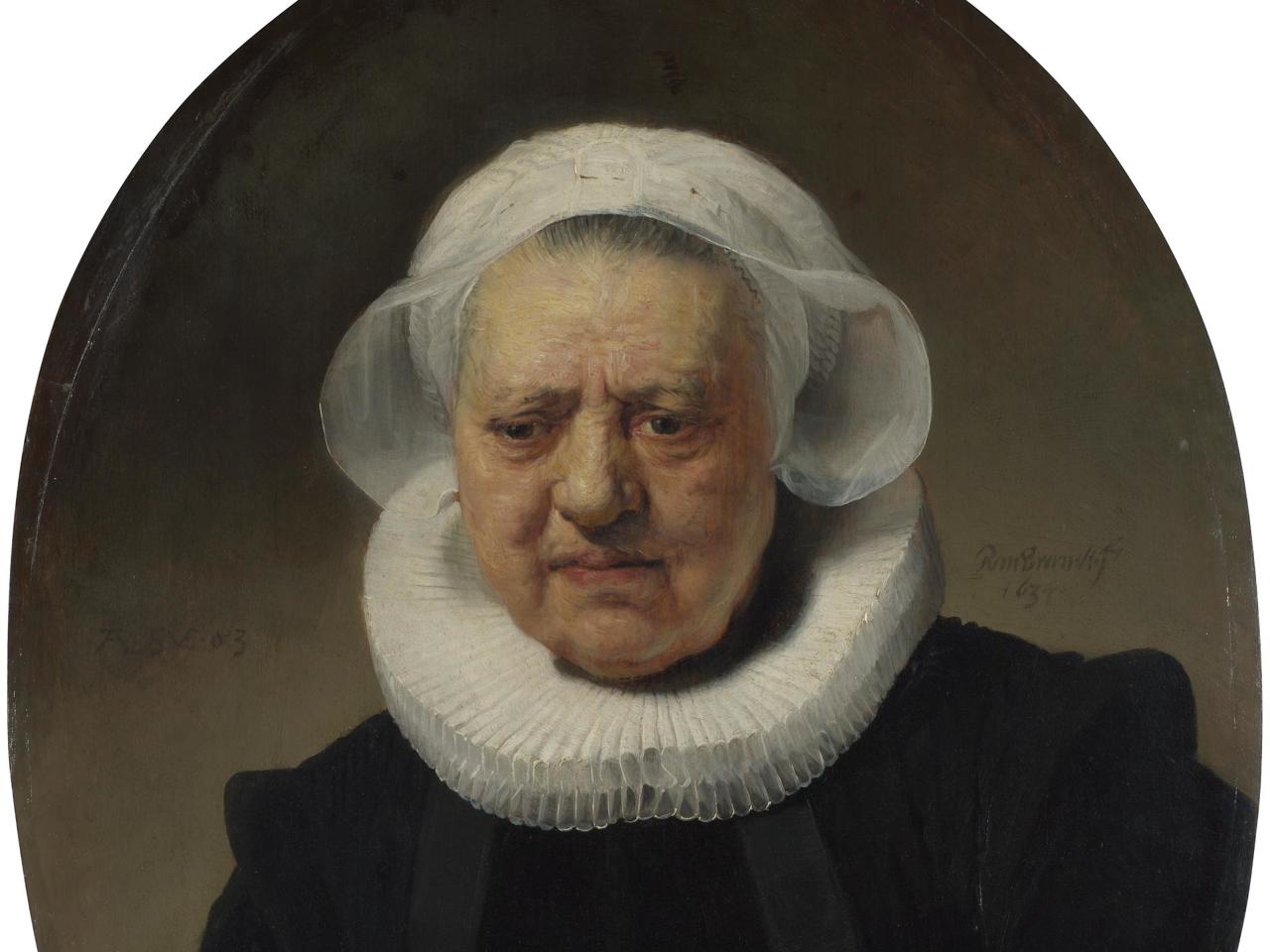
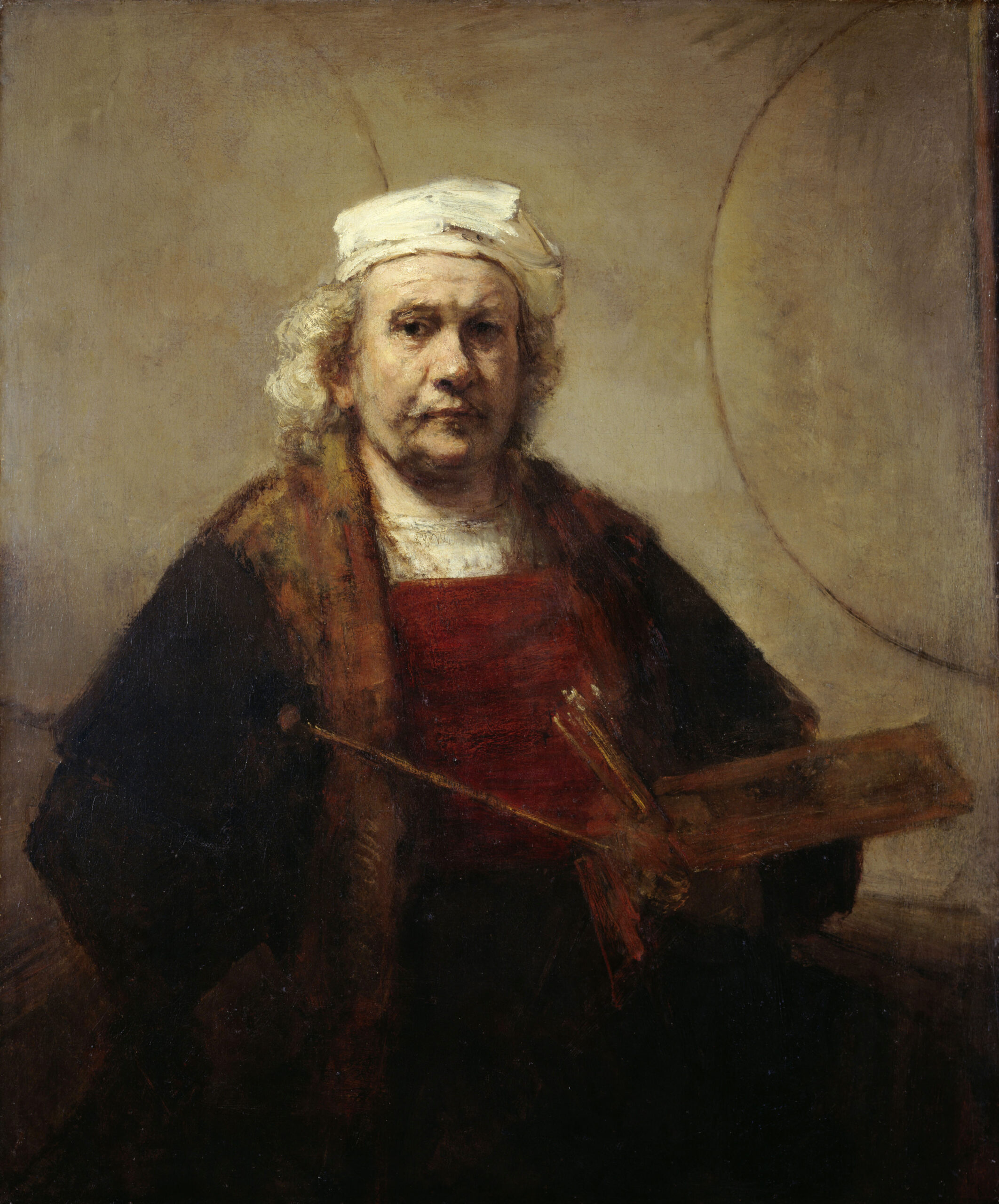
Rembrandt Harmenszoon van Rijn

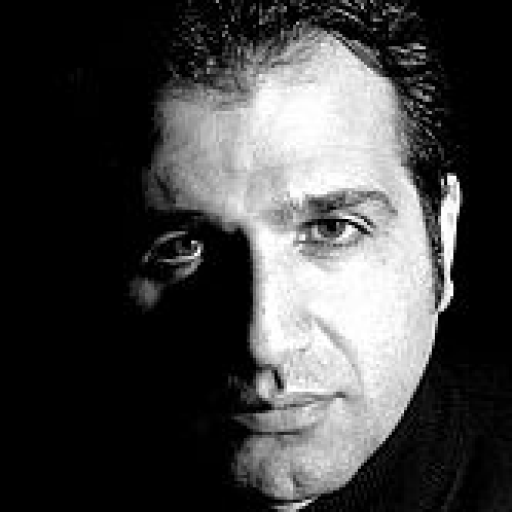
When I was in high school, I had the opportunity to learn about various visual artists, including Rembrandt. I developed a deep admiration for his work and dedicated myself to studying his techniques, particularly in portraiture. I even tried my hand at creating copies of his paintings to understand his process better. The aim was to learn from other artists and their unique approaches, rather than relying solely on my own techniques. This experience with Rembrandt during high school inspired me to continue my artistic journey, leading me to pursue a Fine Arts degree at university.
During my time at the Fine Arts university, I conducted extensive research on Rembrandt’s techniques. It is now my privilege to share this knowledge with my students and all art enthusiasts. I hope that the information I provide proves useful to you. If you have any questions or comments, please feel free to let me know.
A Brief History of Rembrandt and His Revolutionary Portrait Techniques
Introduction:
Rembrandt Harmenszoon van Rijn, a Dutch painter of the 17th century, is widely regarded as one of the greatest portrait artists in history. His ability to capture the human essence and convey emotions through his brushstrokes revolutionized the art of portraiture. This article delves into the short history of Rembrandt and explores the specific techniques he employed in his portrait paintings, shedding light on the conceptual framework behind his iconic works.
Early Life and Influences:
Born on July 15, 1606, in Leiden, Netherlands, Rembrandt exhibited a natural talent for art from an early age. He received formal training under various masters but developed a unique style that transcended traditional techniques. His exposure to classical paintings, particularly those of Caravaggio, greatly influenced his artistic vision. Caravaggio’s use of dramatic lighting and focus on naturalism inspired Rembrandt’s approach to capturing the human face.
The Concept of Truth and Individuality:
One of the defining features of Rembrandt’s portrait paintings is his pursuit of truth and individuality. Unlike the idealized and stylized portraits of his contemporaries, Rembrandt strived to reveal the genuine character and emotions of his subjects. His portraits convey a deep sense of humanity, capturing the complexities of their personalities through a combination of technical mastery and psychological insight.
aroscuro and Lighting Techniques:
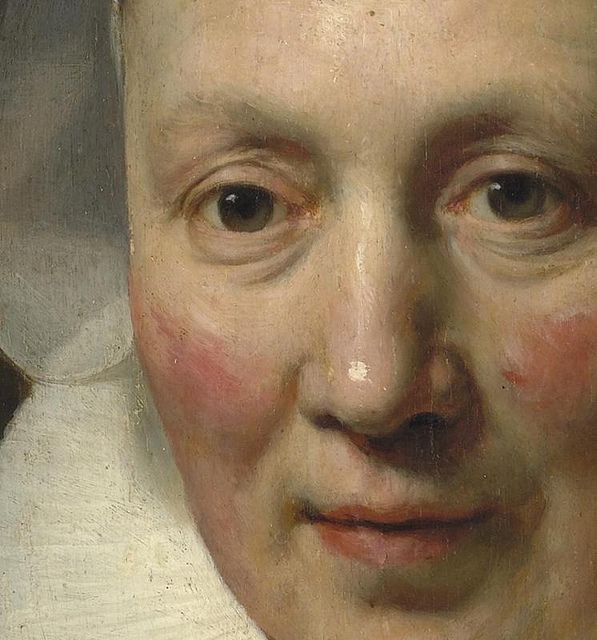
Rembrandt’s mastery of chiaroscuro, the contrast between light and dark, played a pivotal role in his portrait paintings. He employed dramatic lighting effects to create an interplay of shadows and highlights, emphasizing specific features or conveying a particular mood. Through skillful manipulation of light, he could sculpt the human form, giving it depth, dimension, and a sense of three-dimensionality.
Expressive Brushwork and Texture:
Rembrandt’s brushwork was distinctive and expressive, characterized by loose, visible strokes that added texture and vitality to his portraits. Rather than focusing on precise details, he used broad brushstrokes and impasto techniques to create a sense of energy and movement. This painterly approach imbued his works with a tactile quality, allowing viewers to experience the presence of the subject in a profound way.
Capturing Inner Emotions:
In Rembrandt’s portraits, the true essence of his subjects emerges through their expressions and gestures. He depicted individuals in moments of introspection, contemplation, or vulnerability, creating a connection between the viewer and the painted figure. Rembrandt’s portraits convey a psychological depth that invites viewers to empathize with the sitter’s emotions and reflect on the human condition.
Legacy and Lasting Influence:
Rembrandt’s contributions to the field of portrait painting are immeasurable. His innovative techniques and profound understanding of human nature paved the way for future generations of artists. Many painters, both during his time and in subsequent centuries, drew inspiration from his style and sought to capture the authenticity and intimacy that characterized his work.
Conclusion:
Rembrandt’s short but prolific career as a portrait painter left an indelible mark on the art world. His unwavering commitment to capturing the truth, his groundbreaking use of lighting and brushwork, and his ability to convey inner emotions through his subjects continue to inspire and resonate with audiences today. Rembrandt’s portraits serve as timeless windows into the human experience, reminding us of the enduring power of art to transcend time and connect us to our shared humanity.