Peter Paul Rubens

“When I was in high school, attending a fine art high school, I had the privilege of learning from an amazing instructor who taught me how to paint in the style of Peter Paul Rubens. I am eager to share my experiences and knowledge with fellow art enthusiasts, particularly my students. I hope that my insights will be valuable to you and enhance your painting skills. If you have any questions, please don’t hesitate to reach out to me.”
Peter Paul Rubens’ technique.
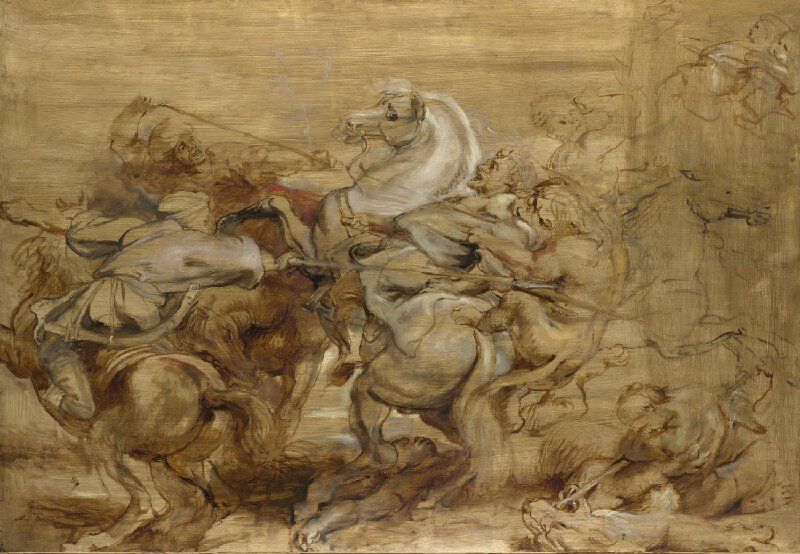
2. Underdrawing: He would sketch a loose underdrawing on the canvas using charcoal or a thin, brownish paint. This underdrawing established the basic composition and placement of figures.
3. Underpainting: Rubens would then create an underpainting, also known as a “dead layer,” using monochromatic tones. This layer established the values and provided a foundation for subsequent layers of color.
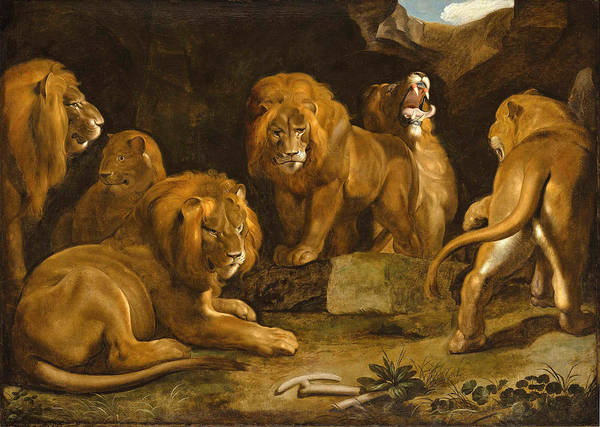
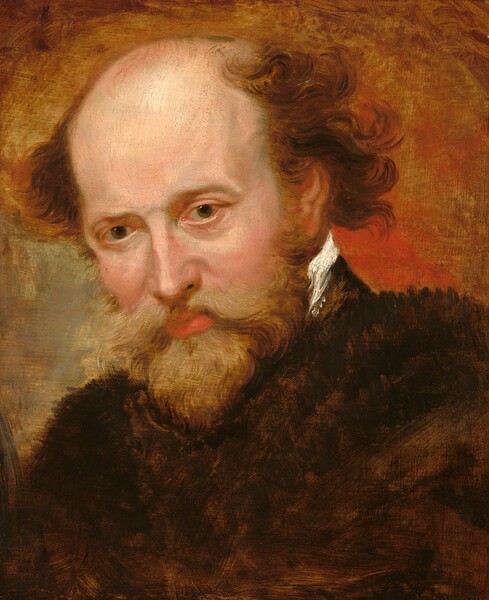
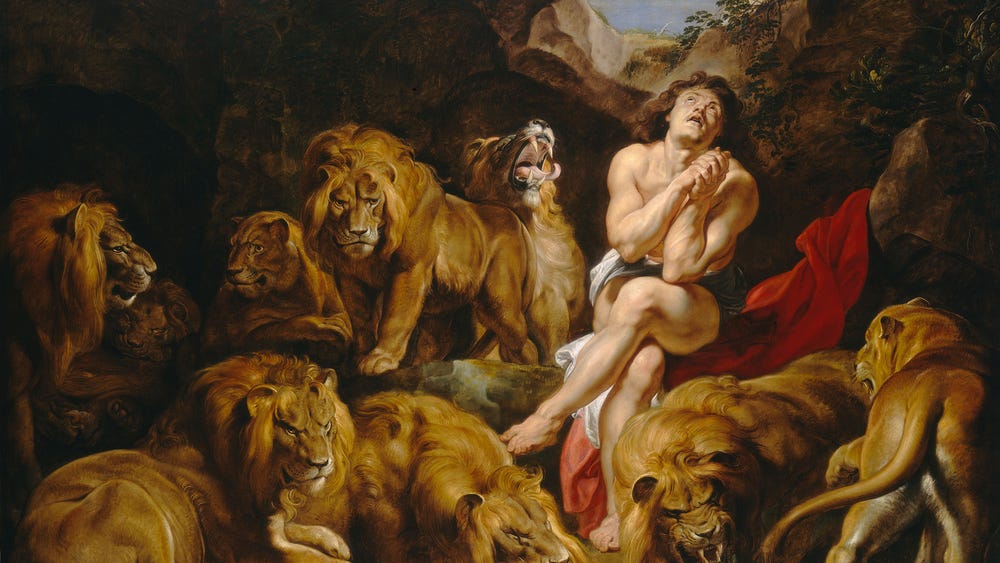
4. Impasto and Glazing: Rubens employed a combination of thick, impasto strokes and transparent glazes to create depth and luminosity. He would apply thick paint in certain areas to build texture and highlight important features, such as the face or hands. Glazes, made by mixing oil paint with a transparent medium, were used to create subtle color shifts and increase the richness of the painting.
5. Wet-on-Wet Technique: Rubens was known for his adeptness with the wet-on-wet technique. He would apply subsequent layers of paint while the previous layers were still wet, allowing for seamless blending of colors and smooth transitions. This technique added a sense of spontaneity and vitality to his paintings.
6. Fleshtones: Rubens had a remarkable ability to capture the warmth and liveliness of human flesh. He would build up layers of opaque and translucent paint, delicately blending warm and cool tones to create a sense of depth and realism.
7. Finishing Touches: As the painting neared completion, Rubens would refine details, enhance highlights, and add final touches to bring the work to its desired level of completion.